
Mangrove waterways
Observe the forest from authorised boat routes and visitor facilities.
West Bengal · National park within a mangrove landscape
Tidal waterways, mangrove forest and a safari shaped by the river.
East India · National park within a mangrove landscape
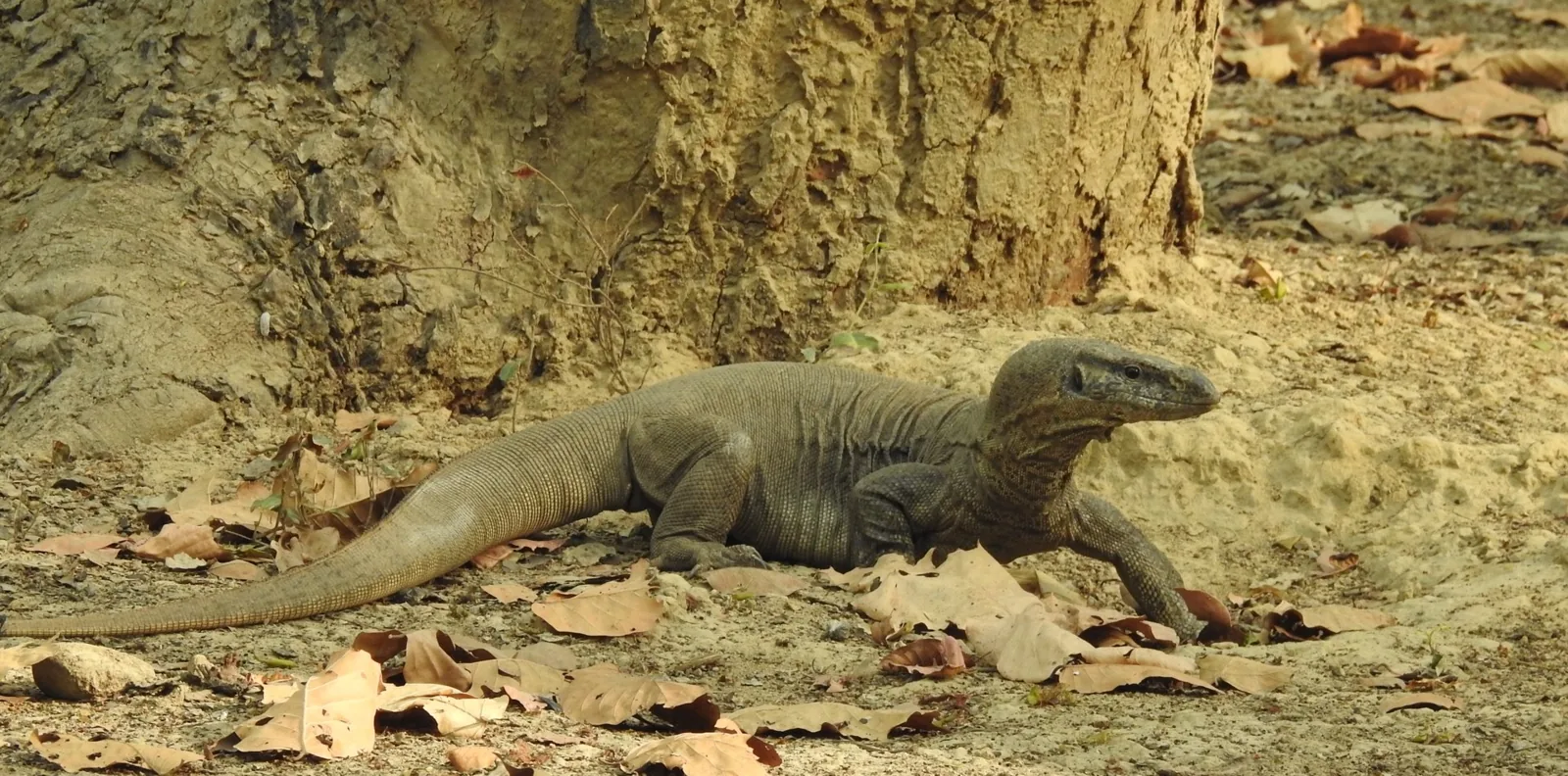
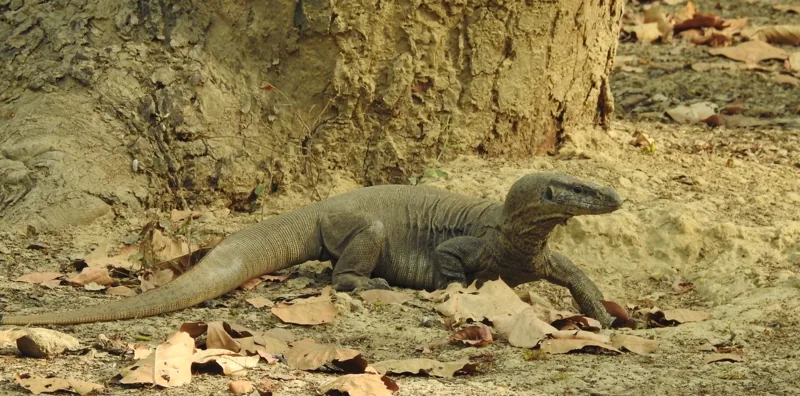
The Indian Sundarbans is experienced through waterways and permitted visitor facilities rather than an inland network of jeep tracks. Tides, creeks and mangrove edges shape the day. Birds, crocodiles and the forest’s adaptations to salt and water create a distinctive wildlife story even when a tiger remains unseen.
A good visit balances time on the water with rest at a suitable base and respectful contact with local communities where arranged. The wider Sundarbans extends across an international boundary; an Indian itinerary does not include Bangladesh unless separately planned. Weather, tides and safety requirements are part of every daily decision.
Observe the forest from authorised boat routes and visitor facilities.
Allow quiet time for kingfishers, waterbirds and other riverine wildlife.
Include local visits only with suitable arrangements and respect for residents.
Cooler weather is a useful starting point for extended time on boats. Tides, storms, water conditions and current permissions determine the actual daily routes.
Kolkata is the usual gateway, followed by a road journey and boat transfers appropriate to the chosen local base. Do not assume the final transfer ends at a conventional park gate.
Kolkata is the usual gateway, followed by a road journey and boat transfers appropriate to the chosen local base. Do not assume the final transfer ends at a conventional park gate.
Share your dates, party size, wildlife interests and accommodation preferences. The final proposal identifies the reporting point, safari format, transfers and what is included.
Mainland hotels, island lodges and boat-based options provide different experiences. Confirm bathrooms, electricity, boarding access, meals and whether overnight stays are ashore or afloat.
Named properties, room categories, meal plans and availability are set out in your individual proposal. Tell us if step-free access, family rooms, a private vehicle or a quieter pace will help you enjoy the visit.
Follow the guide and park staff, keep the required distance from wildlife, avoid feeding or calling animals, and stay within authorised routes. Community visits require local consent.
Wildlife moves freely. Patient observation, appropriate distances and time in suitable habitat matter more than a promised sighting.
No. The Indian visitor experience is primarily water-based, using authorised boat routes and permitted facilities.
No. Tigers are elusive in the mangroves, and many rewarding visits do not include a tiger encounter.
No. The Indian and Bangladesh sides require separate travel and entry arrangements.
Water levels, navigation and current permissions affect which routes are practical and authorised on a given day.
Yes. Plan a road approach followed by the boat transfers appropriate to the chosen base.
Different formats can be discussed, with comfort, safety, boarding access and current authorisation checked explicitly.
No. They should be arranged with local consent, guiding and a clear understanding of the visit’s purpose.
Kingfishers, other waterbirds, crocodiles and the mangrove habitat are important reasons to explore the waterways.
Boat boarding, steps, toilets, lodge access and the time spent on the water need particular attention.
Three local nights can provide time for varied waterways and rest, with Kolkata nights planned separately.
Guide reviewed 18 November 2026. Permit, access, activity and accommodation arrangements are checked again for your dates before a booking is confirmed.