Woodland safaris
Look for tracks, bird activity and prey behaviour as part of the whole forest story.
Madhya Pradesh · National park
Teak woodland, river country and an inviting introduction to Central India.
Central India · National park
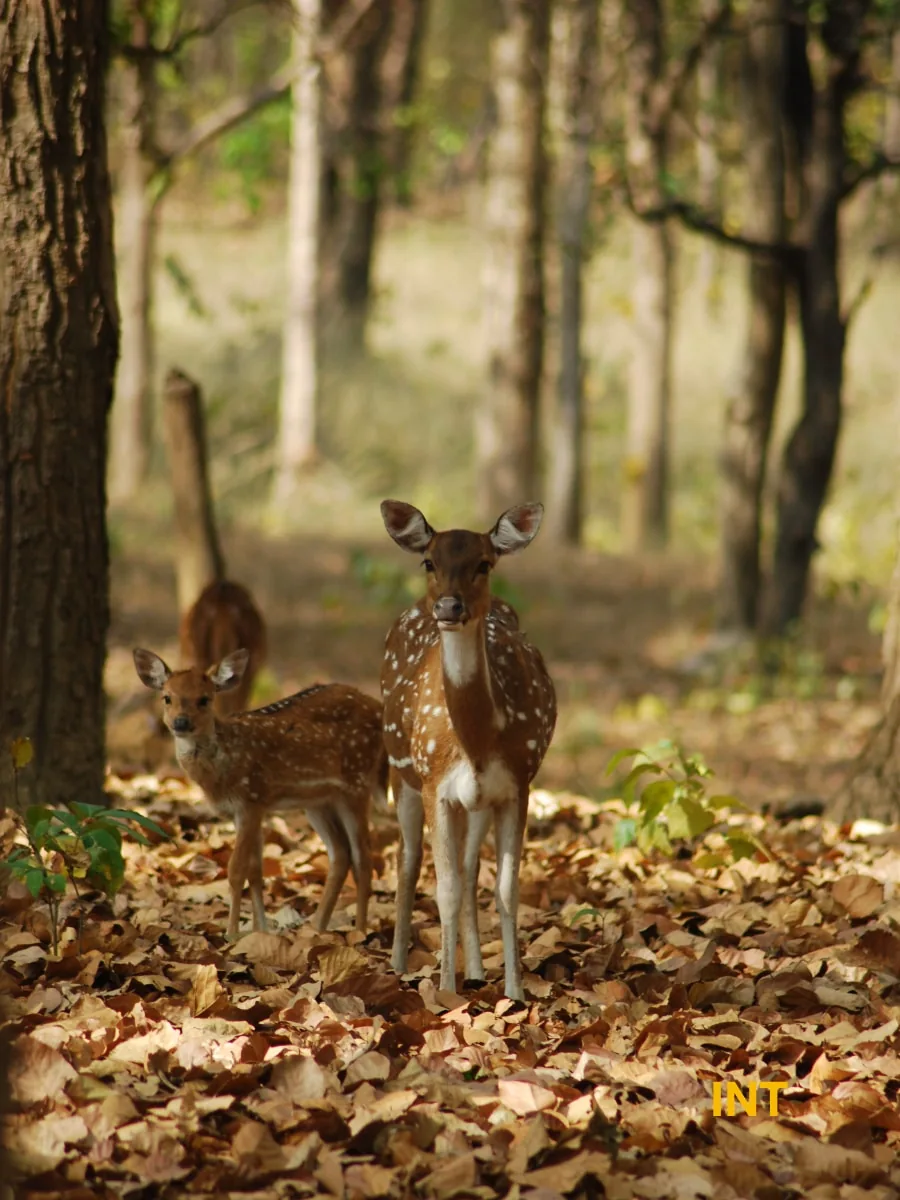
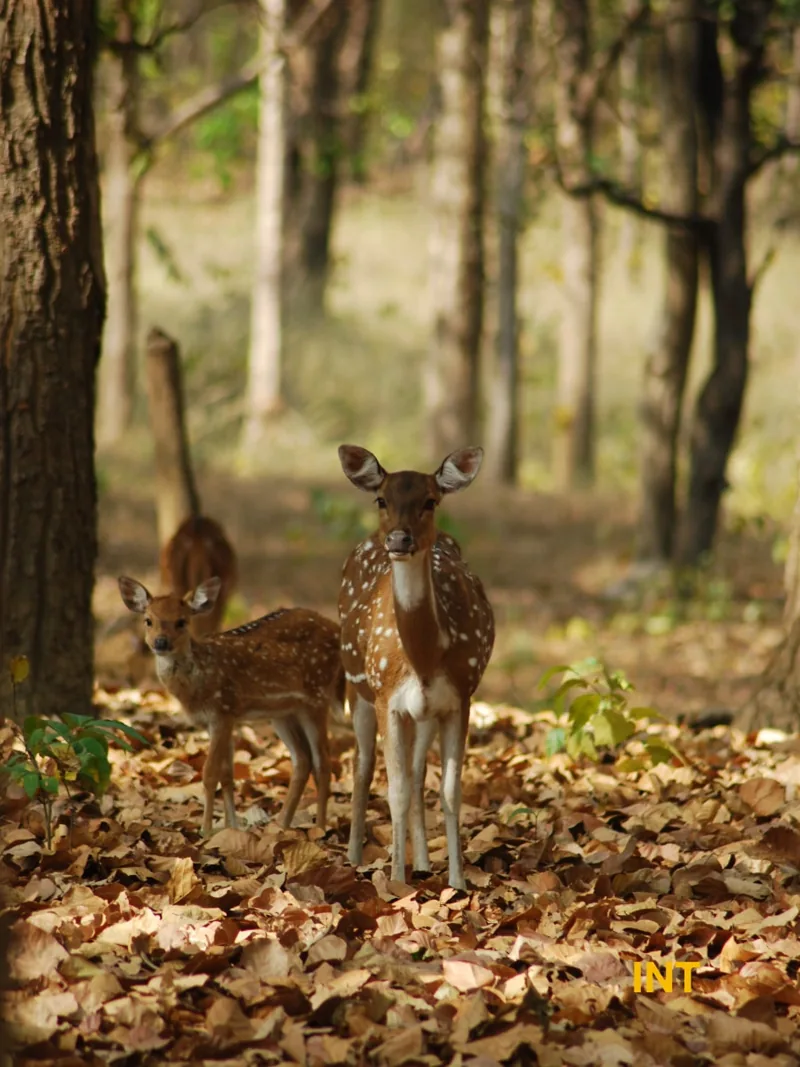
Pench is a woodland landscape with riverine stretches and clearings that draw attention to the movement of deer, langurs and birds. Tiger and leopard interests sit within a wider natural-history experience. The forest’s changing light makes repeated outings more rewarding than a single hurried visit.
The wider Pench landscape extends across Madhya Pradesh and Maharashtra, whose tourism access arrangements should not be confused. A lodge near one gate does not automatically provide convenient access to a gate on the other side. Pench is often the first wildlife stop after Nagpur on a journey continuing to Kanha and Bandhavgarh.
Look for tracks, bird activity and prey behaviour as part of the whole forest story.
Use an arrival afternoon to settle in after the journey from Nagpur.
Plan a dedicated transfer day before beginning the next set of forest outings.
Cooler dry-season visits are comfortable for repeated drives. Later warm months call for rest between sessions. Check the state, gate and seasonal access associated with each permit.
Nagpur is a useful regional arrival point. Identify whether the booking uses a Madhya Pradesh or Maharashtra approach before confirming the lodge and transfer.
Nagpur is a useful regional arrival point. Identify whether the booking uses a Madhya Pradesh or Maharashtra approach before confirming the lodge and transfer.
Share your dates, party size, wildlife interests and accommodation preferences. The final proposal identifies the reporting point, safari format, transfers and what is included.
Choose a forest-edge lodge matched to the booked gate. Cottage-style stays and small lodges can work well, with early breakfasts and packed meals arranged around the safari plan.
Named properties, room categories, meal plans and availability are set out in your individual proposal. Tell us if step-free access, family rooms, a private vehicle or a quieter pace will help you enjoy the visit.
Follow the guide and park staff, keep the required distance from wildlife, avoid feeding or calling animals, and stay within authorised routes. Community visits require local consent.
Wildlife moves freely. Patient observation, appropriate distances and time in suitable habitat matter more than a promised sighting.
The wider protected landscape spans Madhya Pradesh and Maharashtra; tourism arrangements on the two sides are distinct.
Gate locations and state boundaries affect transfers and permits. A convenient lodge for one approach may not suit another.
Yes. It is a useful regional hub, with the onward transfer planned around the selected lodge and gate.
Yes. This is a natural Central India combination when a full road-transfer day is allowed.
No. Deer, langurs, birds, woodland and riverine habitats offer a broader wildlife experience.
A request can be discussed, but separate access rules and the driving logistics need checking first.
Two or three nights gives time for several outings, with longer stays for photography or birding.
No. Walks are limited to authorised arrangements; a lodge-ground walk is not permission to enter protected forest.
Yes, when arrival and departure points support a compact Pench–Kanha–Bandhavgarh route.
No. Each species is free-ranging, and a rewarding safari does not depend on completing a predator checklist.
Guide reviewed 18 November 2026. Permit, access, activity and accommodation arrangements are checked again for your dates before a booking is confirmed.