Meadow wildlife
Look for barasingha and other grazing animals in the open habitats.
Madhya Pradesh · National park
Sal forests, broad meadows and the quiet rhythm of Central India.
Central India · National park
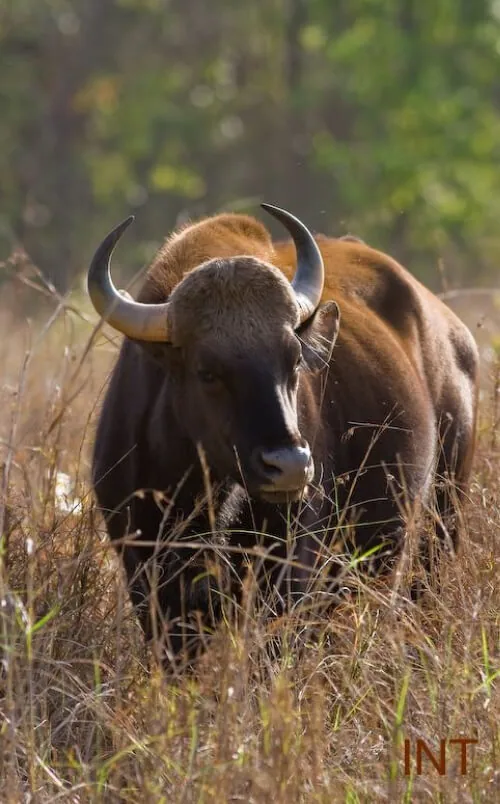
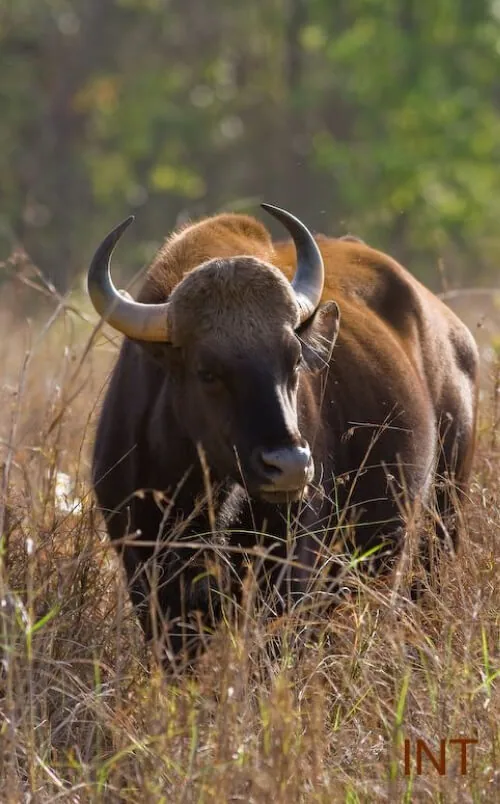
Kanha’s atmosphere comes from the contrast between shaded sal forest and open meadow. Grazing deer, gaur and barasingha help tell the story of the grassland, while birds and smaller animals reward slower observation along the forest edge. Tiger tracking is part of a safari here, but it is only one thread in the experience.
Give the reserve enough time to reveal itself through changing light and repeated outings. Its scale also makes gate selection important: a lodge chosen for convenience at one entrance may be poorly placed for another. Kanha can be combined with Pench and Bandhavgarh when the itinerary includes proper transfer days between the three.
Look for barasingha and other grazing animals in the open habitats.
Use the guide’s knowledge of bird calls, tracks and vegetation to broaden each drive.
Combine Kanha with Pench or Bandhavgarh without sacrificing several nights in each landscape.
Cooler dry-season visits favour comfortable days in the forest. Later warm weather changes animal activity and visitor comfort. Confirm current core and buffer access before fixing safari sessions.
Khatia, Mukki and Sarhi serve different approaches to Kanha. Choose road connections through Nagpur, Jabalpur or another suitable hub after the lodge and entry arrangement have been identified.
Khatia, Mukki and Sarhi serve different approaches to Kanha. Choose road connections through Nagpur, Jabalpur or another suitable hub after the lodge and entry arrangement have been identified.
Share your dates, party size, wildlife interests and accommodation preferences. The final proposal identifies the reporting point, safari format, transfers and what is included.
Forest-edge lodges vary from simple comfortable rooms to boutique cottages. Prioritise the correct gate, meal timings around drives and the travel time from the lodge to the entry point.
Named properties, room categories, meal plans and availability are set out in your individual proposal. Tell us if step-free access, family rooms, a private vehicle or a quieter pace will help you enjoy the visit.
Follow the guide and park staff, keep the required distance from wildlife, avoid feeding or calling animals, and stay within authorised routes. Community visits require local consent.
Wildlife moves freely. Patient observation, appropriate distances and time in suitable habitat matter more than a promised sighting.
They support grazing animals, including barasingha, and provide a useful contrast to the surrounding sal forest.
Khatia, Mukki and Sarhi are different access points. Choose the gate and lodge as a pair rather than selecting either in isolation.
A multi-zone plan can be requested, but each permit and the driving logistics need separate confirmation.
Yes. Its mixture of forest, meadow and wildlife interests makes a strong introduction when enough time is allowed.
Yes. Include a dedicated transfer day so a long road journey does not compete with a forest outing.
Three nights is a useful starting point for several outings, with more time for photography or a slower itinerary.
No. They are different deer species. Watching both with a guide adds to the natural-history value of a visit.
The lodge’s relationship to your booked gate matters more than a general claim that it is near Kanha.
Discuss appropriate lodge-ground or authorised local walks; protected forest areas cannot be entered independently.
No. Wildlife movements are unpredictable, and every drive should be approached as a complete forest experience.
Guide reviewed 18 November 2026. Permit, access, activity and accommodation arrangements are checked again for your dates before a booking is confirmed.