
Riverine wildlife
Spend time reading riverbanks, grassland edges and woodland rather than concentrating only on tracks.
Uttarakhand · National park
River valleys, sal forest and the grasslands of the Himalayan foothills.
North India · National park
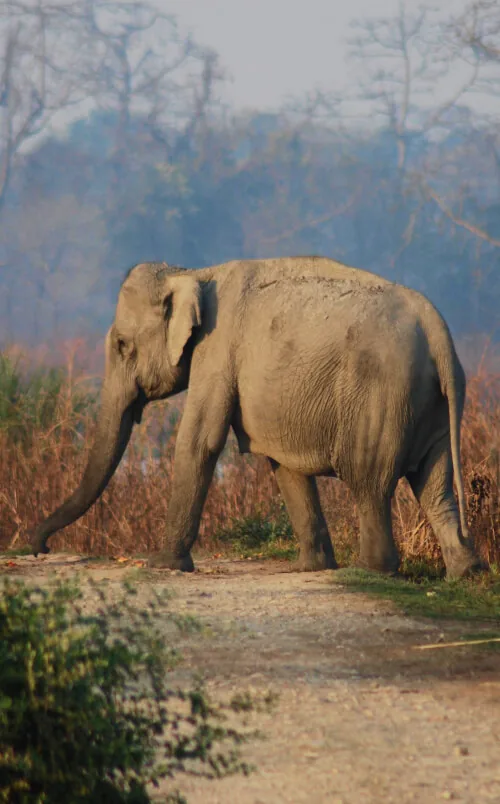
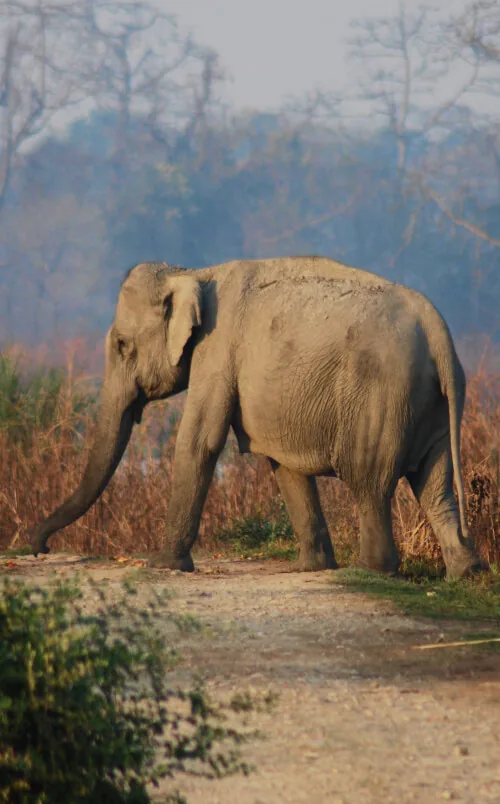
Corbett is a meeting of river, forest and open grassland rather than a single tiger-viewing landscape. Early light along the Ramganga, elephant movement at the forest edge and the calls of woodland birds give each outing its own character. Tigers live here, but the changing habitats reward attention even when a big cat stays out of sight.
A well-planned visit begins with the chosen tourism zone. Different gates serve different parts of the reserve, so accommodation, permits and transfers should be considered together. Corbett also makes a natural starting point for a north India birding journey, with the Himalayan foothills adding an entirely different set of habitats.
Spend time reading riverbanks, grassland edges and woodland rather than concentrating only on tracks.
Add guided birding around suitable local habitats or extend to the Sattal and Pangot area.
Leave space between outings for rest, natural-history discussion and changing weather.
Cooler months suit an unhurried forest and birding visit. Hotter periods bring a different landscape. Zone openings, river crossings and weather-related access must be checked for the intended dates.
Ramnagar is the usual service town for a Corbett visit. Plan the final road transfer around your actual entry gate; an arrival in Ramnagar is not the same as arrival at every safari gate.
Ramnagar is the usual service town for a Corbett visit. Plan the final road transfer around your actual entry gate; an arrival in Ramnagar is not the same as arrival at every safari gate.
Share your dates, party size, wildlife interests and accommodation preferences. The final proposal identifies the reporting point, safari format, transfers and what is included.
Choose a lodge on the appropriate side of Ramnagar for the zone booked. Forest accommodation, where available and permitted, is a separate arrangement from a lodge outside the reserve.
Named properties, room categories, meal plans and availability are set out in your individual proposal. Tell us if step-free access, family rooms, a private vehicle or a quieter pace will help you enjoy the visit.
Follow the guide and park staff, keep the required distance from wildlife, avoid feeding or calling animals, and stay within authorised routes. Community visits require local consent.
Wildlife moves freely. Patient observation, appropriate distances and time in suitable habitat matter more than a promised sighting.
Riverine forest, sal woodland and grasslands sit below the Himalayan foothills, offering a different setting from Central India’s drier forests.
Ramnagar is the usual planning base, but the onward transfer depends on the tourism zone and accommodation selected.
You can express a preference. Access, forest stays and safari arrangements must be checked together for the dates requested.
No. Different gates serve different areas. A permit and lodge should be matched to the same practical access plan.
Yes. Additional foothill nights allow a birding extension without turning each day into a long road transfer.
Three nights give room for several outings and a more relaxed arrival. Specialist birders or photographers may prefer longer.
No. Lodges outside the reserve offer an alternative. Any inside-forest accommodation is subject to separate availability and permissions.
No. Elephants, deer, river scenery and birdlife are important reasons to spend time here.
Bring layers for the early start, muted clothing, binoculars and dust protection for optical equipment.
No. Tigers range freely; the purpose of several outings is to experience more of the forest, not to promise an encounter.
Guide reviewed 18 November 2026. Permit, access, activity and accommodation arrangements are checked again for your dates before a booking is confirmed.