
Island birdlife
Observe waterbirds without approaching nesting areas independently.
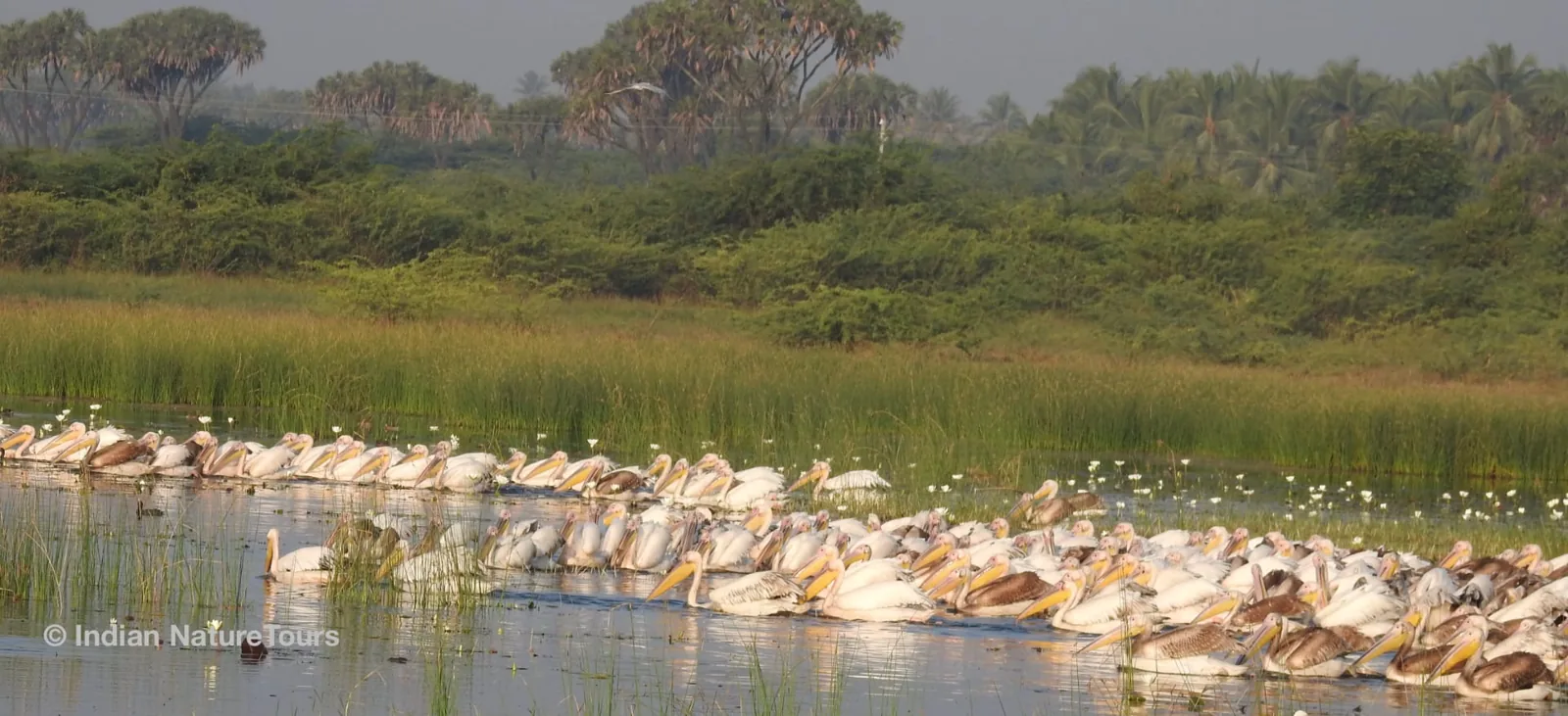
Karnataka · Bird sanctuary
River islands and close observation of waterbirds near Mysuru.
South India · Bird sanctuary
Ranganathittu centres on river-island habitats along the Cauvery near Srirangapatna. Its scale and style differ from a large forest reserve: the interest lies in birds, nesting activity when present, water and the relationship between the islands and the river. Quiet observation is especially important in a sensitive bird habitat.
A visit can fit into the journey around Mysuru or complement a longer Bandipur–Nagarhole itinerary. Any boating arrangement is subject to current operations and river conditions. Leave time for the experience itself rather than adding it to an already overfilled transfer day.
Observe waterbirds without approaching nesting areas independently.
Discuss current river-based viewing options and suitable arrangements.
Combine birding with heritage or the onward route to a southern forest stay.
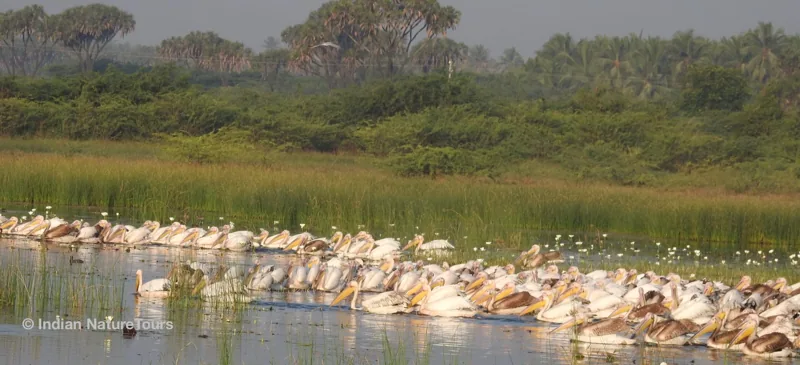
Bird activity and nesting vary with season. River conditions can affect boating and access; verify current operations before making an outing the centrepiece of a travel day.
The sanctuary can be approached from Mysuru or Srirangapatna. Choose a visit time that fits the authorised operations and the road journey to your next destination.
The sanctuary can be approached from Mysuru or Srirangapatna. Choose a visit time that fits the authorised operations and the road journey to your next destination.
Share your dates, party size, wildlife interests and accommodation preferences. The final proposal identifies the reporting point, safari format, transfers and what is included.
Mysuru is a practical overnight base for many visits. A stay close to the sanctuary may suit specialist interests, but should be considered alongside meals and onward transfers.
Named properties, room categories, meal plans and availability are set out in your individual proposal. Tell us if step-free access, family rooms, a private vehicle or a quieter pace will help you enjoy the visit.
Follow the guide and park staff, keep the required distance from wildlife, avoid feeding or calling animals, and stay within authorised routes. Community visits require local consent.
Wildlife moves freely. Patient observation, appropriate distances and time in suitable habitat matter more than a promised sighting.
No. It is a bird sanctuary, and the destination page now uses the correct designation.
The Cauvery and its island habitats are central to the sanctuary’s setting.
Yes. Mysuru is a practical base for a visit, with timing planned around current sanctuary operations.
No. River conditions and the current operating arrangements affect what is possible.
No. Follow authorised routes and staff guidance, especially around sensitive nesting or resting birds.
No. Seasonal activity and conditions affect what can be observed during a visit.
Yes. It can complement a southern wildlife route if the transfer day has enough room.
Allow an unhurried outing rather than treating the sanctuary as a quick photograph stop.
It can be, with a guide or local interpretation appropriate to the visitor’s experience.
Binoculars, sun protection and a camera suitable for changing distances help without disturbing the birds.
Guide reviewed 18 November 2026. Permit, access, activity and accommodation arrangements are checked again for your dates before a booking is confirmed.