
Forest birding
Allow time for calls and canopy movement, not just immediate views.
Arunachal Pradesh · National park within a tiger reserve
A remote eastern Himalayan forest for patient naturalists.
Northeast India · National park within a tiger reserve
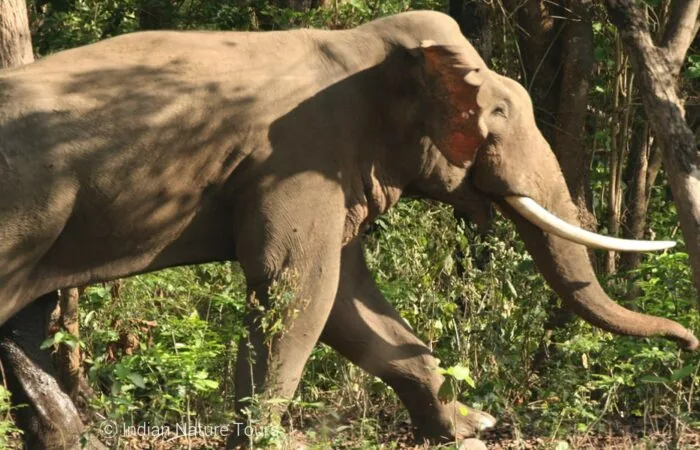
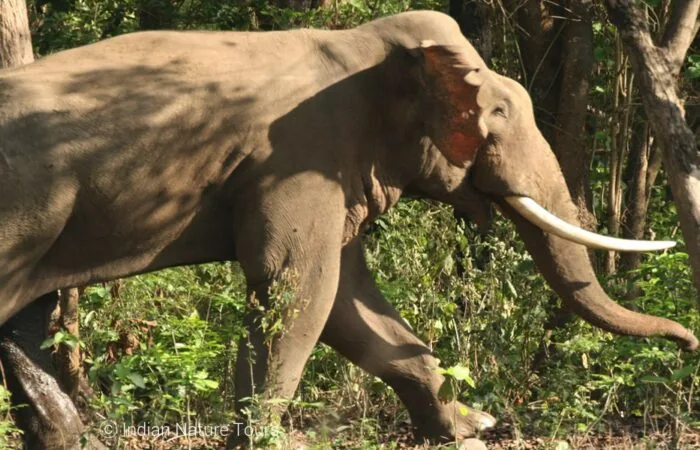
Namdapha is best approached as an immersive forest journey rather than a conventional drive-based tiger safari. The lower forest around the visitor approach offers a starting point for birding, primate observation and a sense of the scale of the eastern Himalayan landscape. Much of its wildlife is elusive and difficult to observe.
Remoteness is a practical part of the experience. Permissions, local guiding, transport conditions and the level of accommodation need to be settled before arrival. A carefully paced visit leaves time for weather and slow observation rather than promising a long list of rare animals.
Allow time for calls and canopy movement, not just immediate views.
Match trails and daily distances to your experience and current permissions.
Value the setting and slow natural-history observation over guaranteed rare-species encounters.
A drier, cooler travel period is a starting point for discussion. Rain, trails and road access strongly affect the plan; check current local conditions before committing to a trek.
Miao and the Deban approach are important planning locations. Regional connections through upper Assam require a realistic road itinerary and any applicable entry permissions.
Miao and the Deban approach are important planning locations. Regional connections through upper Assam require a realistic road itinerary and any applicable entry permissions.
Share your dates, party size, wildlife interests and accommodation preferences. The final proposal identifies the reporting point, safari format, transfers and what is included.
Expect simpler forest or local accommodation on a nature-focused visit. Confirm bathrooms, electricity, hot water, porter arrangements and meal provision before accepting a remote-stay plan.
Named properties, room categories, meal plans and availability are set out in your individual proposal. Tell us if step-free access, family rooms, a private vehicle or a quieter pace will help you enjoy the visit.
Follow the guide and park staff, keep the required distance from wildlife, avoid feeding or calling animals, and stay within authorised routes. Community visits require local consent.
Wildlife moves freely. Patient observation, appropriate distances and time in suitable habitat matter more than a promised sighting.
No. A visit is usually better planned as a remote forest and walking experience, with local access arrangements checked carefully.
Miao and the Deban approach are key planning locations, with the final programme determined by permissions and conditions.
Requirements depend on nationality and the intended journey. Confirm the current official process before travel.
Do not assume it. Discuss basic facilities, bathrooms, electricity and the practical conditions of any proposed forest stay.
No. Species presence is not the same as a realistic sighting expectation; many animals are extremely elusive.
Patient birders, naturalists and walkers who value remote forest and can adapt to weather and simpler facilities.
They should be planned around your fitness, trail conditions and the permissions available, with the limits agreed in advance.
It depends on the route. A base stay and a multi-day walking journey have different logistical requirements.
Only with sufficient extra travel days. It should not be squeezed into an overnight detour from the main Assam parks.
Agree the route, permissions, guide, accommodation standard, transport and contingency arrangements in writing.
Guide reviewed 18 November 2026. Permit, access, activity and accommodation arrangements are checked again for your dates before a booking is confirmed.